
How Long After Paving Can You Drive on Asphalt? Curing Time and Tips
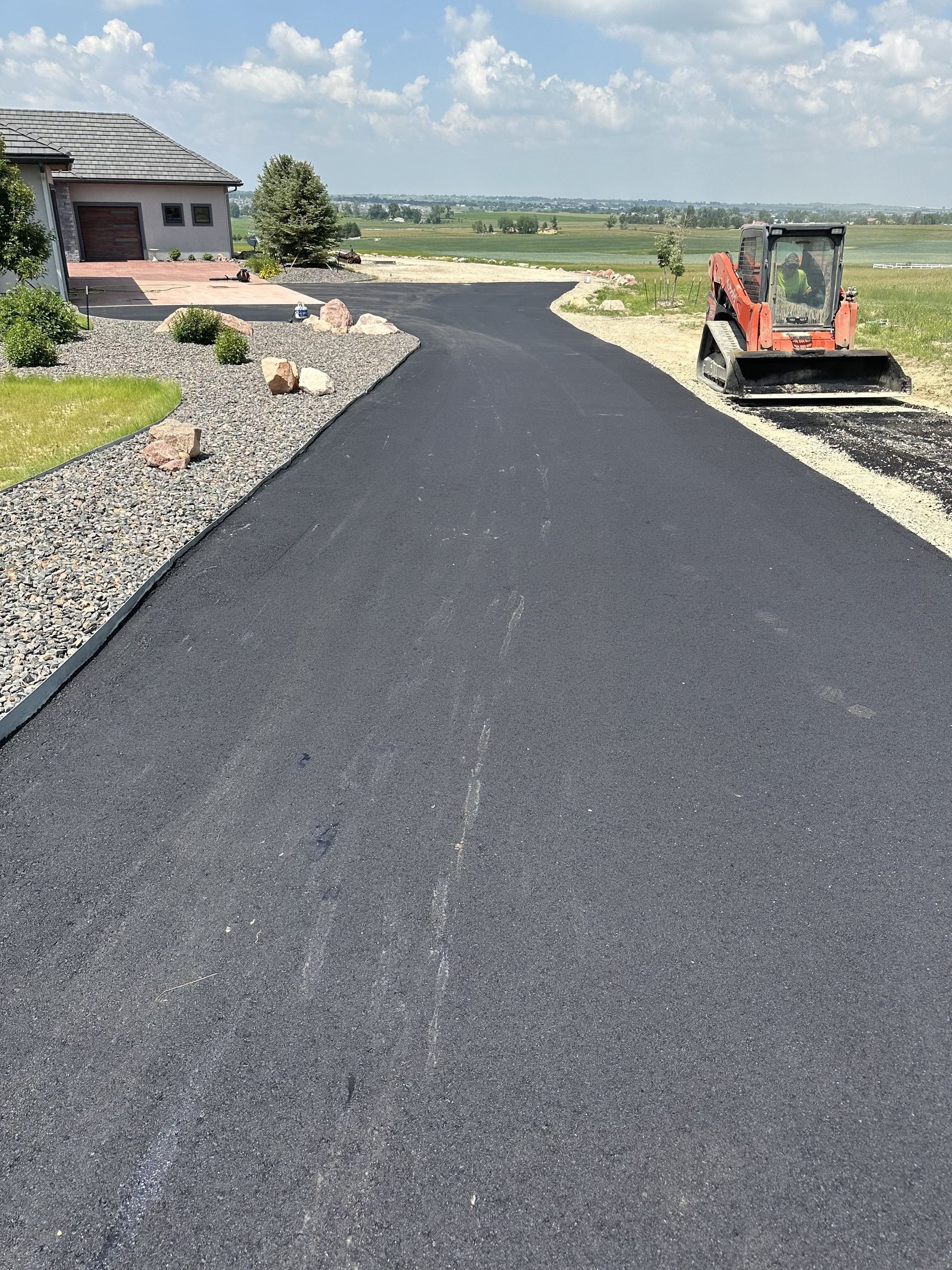
When it comes to asphalt paving, one of the most common questions homeowners and business owners ask is, "How long after paving can you drive on asphalt?" Understanding asphalt curing times is essential to protect your investment and ensure the longevity of your driveway, parking lot, or road. Harris Asphalt Paving, LLC, located in Castle Rock, CO, provides expert asphalt paving services and can guide you through proper post-paving care.
In this article, we will discuss asphalt curing times, factors that affect how soon you can drive on asphalt, and tips to help you maintain your new pavement.
Nature's Symphony
Understanding Asphalt Curing
After freshly laid asphalt is installed, it goes through a curing process. Asphalt curing is the period during which the binder and aggregate in the pavement settle and harden. While the asphalt may appear solid shortly after paving, it needs time to achieve its maximum strength.
Generally, asphalt can support light foot traffic within 24 hours. However, when it comes to driving, the timing is more critical. Most experts recommend waiting at least 48-72 hours before driving on a new asphalt surface. This initial curing period allows the pavement to stabilize and prevents damage such as ruts, depressions, or cracking.
It’s important to note that curing does not stop after a few days. Asphalt continues to harden over several months. During the first year, the pavement undergoes a full curing process, which increases durability and load-bearing capacity. Proper maintenance during this time can significantly extend the life of your asphalt.
Factors That Affect Asphalt Paving Curing Time
Several factors influence how long it takes for asphalt to cure and be safe for driving. Knowing these factors can help you plan accordingly after your asphalt paving project.
Temperature and Weather Conditions
Weather is one of the most significant factors affecting curing time. Asphalt sets faster in warm, dry conditions, while cooler temperatures slow the process. If paving occurs in colder months in Castle Rock, CO, it may take longer before the surface can handle vehicle traffic safely.
Rain or high humidity can also impact curing. Excess moisture can interfere with the asphalt binder, leading to uneven curing or surface damage. That’s why professional asphalt paving services always consider weather forecasts before scheduling a project.
Asphalt Thickness
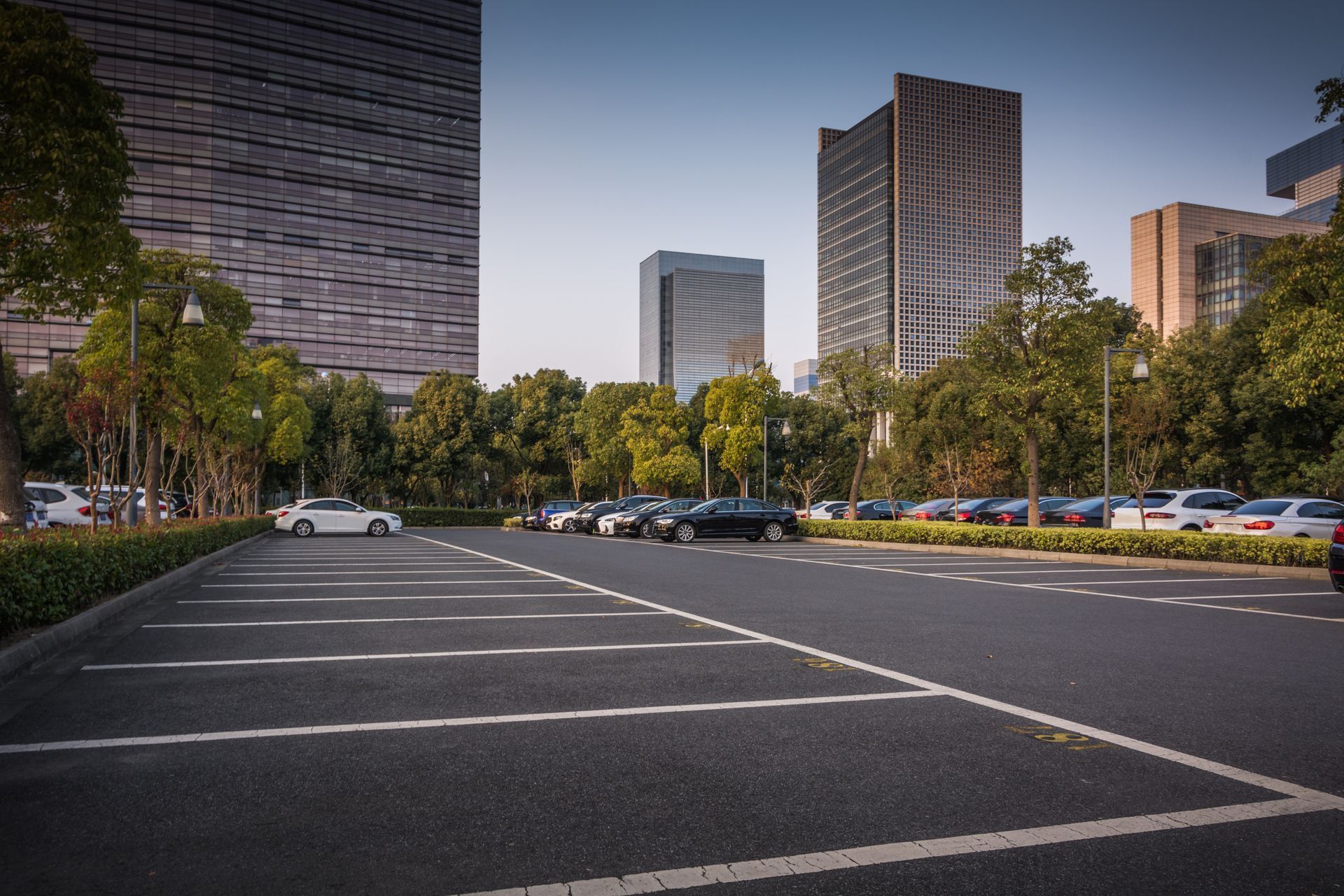
The thickness of the asphalt layer affects how quickly it cures. Thicker layers require more time to harden completely, while thinner layers cure faster. Driveways and parking lots typically have a thinner layer of asphalt compared to commercial roads, so their curing times may differ.
Traffic Weight
The type of vehicle you intend to drive on the pavement matters. Light passenger cars exert less pressure on asphalt and can often drive on it after a shorter curing period. Heavy trucks or equipment, however, require a longer wait to prevent surface deformation or cracking.
Quality of Materials
High-quality asphalt mix and proper installation techniques contribute to faster curing and longer-lasting pavement. Asphalt paving services that use premium materials ensure a more durable surface and minimize the risk of early damage.
Tips for Driving on Newly Paved Asphalt
Once you know when it is safe to drive on your newly paved surface, following a few essential tips can help protect your investment.
Wait the Recommended Time
Even if your new asphalt looks solid, resist the temptation to drive on it immediately. Follow the recommended curing time of 48-72 hours for light vehicles and longer for heavier traffic.
Avoid Sharp Turns and Sudden Stops
When you first start driving on new asphalt, avoid making sharp turns or abrupt stops. These movements can stress the pavement before it has fully set, potentially causing surface damage.
Limit Heavy Loads
If possible, avoid parking heavy trucks or machinery on freshly paved asphalt during the first few weeks. Gradually increasing the weight on the surface allows the asphalt to adjust and harden without deformation.
Maintain Proper Drainage
Standing water can weaken new asphalt and lead to cracks or potholes. Ensure that the surface is graded correctly to promote drainage away from the pavement. Good drainage protects the integrity of your asphalt for years to come.
Regular Inspections
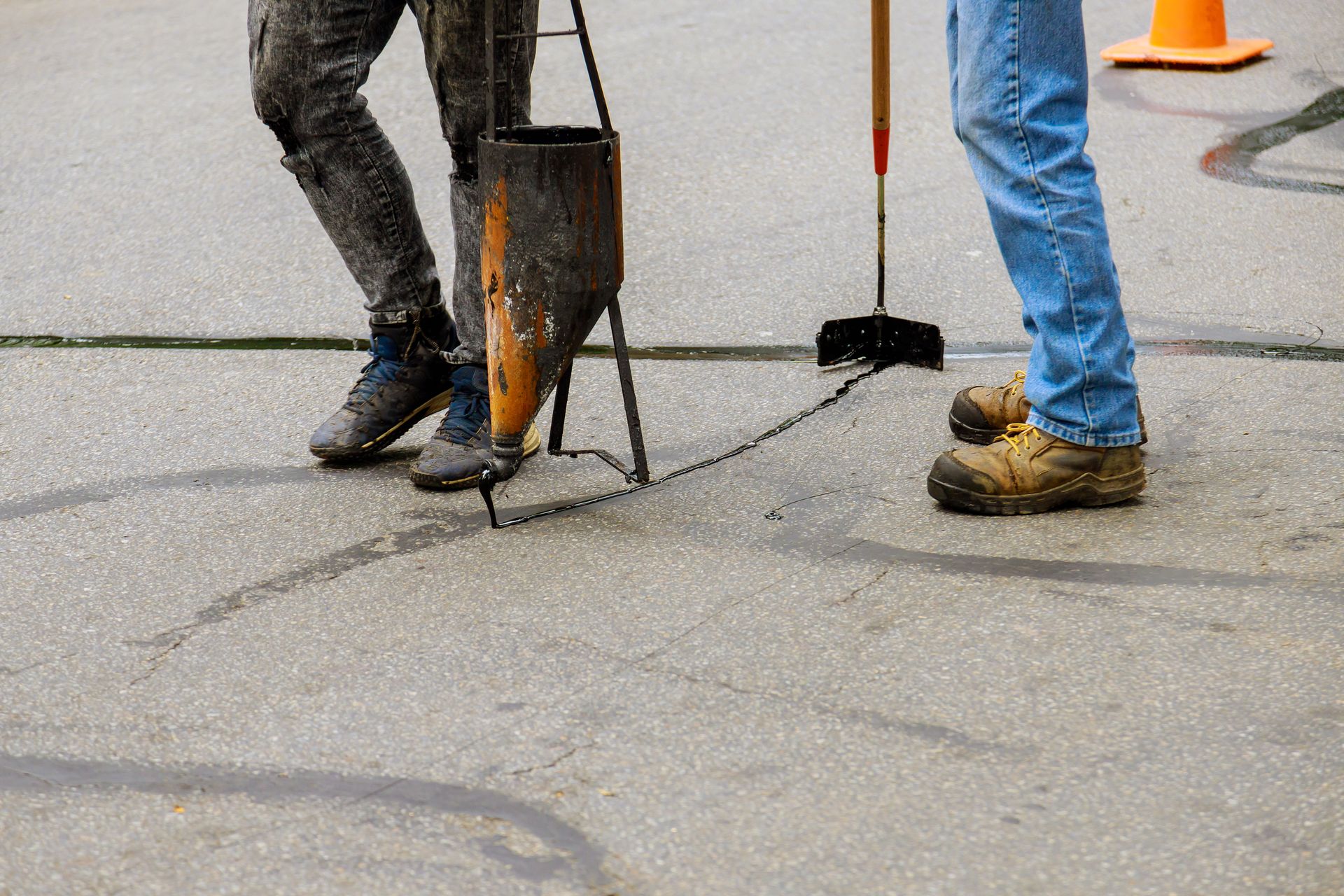
Even after the initial curing period, inspect your asphalt regularly for signs of damage, such as cracks, ruts, or depressions. Early detection allows you to address minor issues before they become costly repairs.
Long-Term Maintenance for Asphalt Driveway Longevity
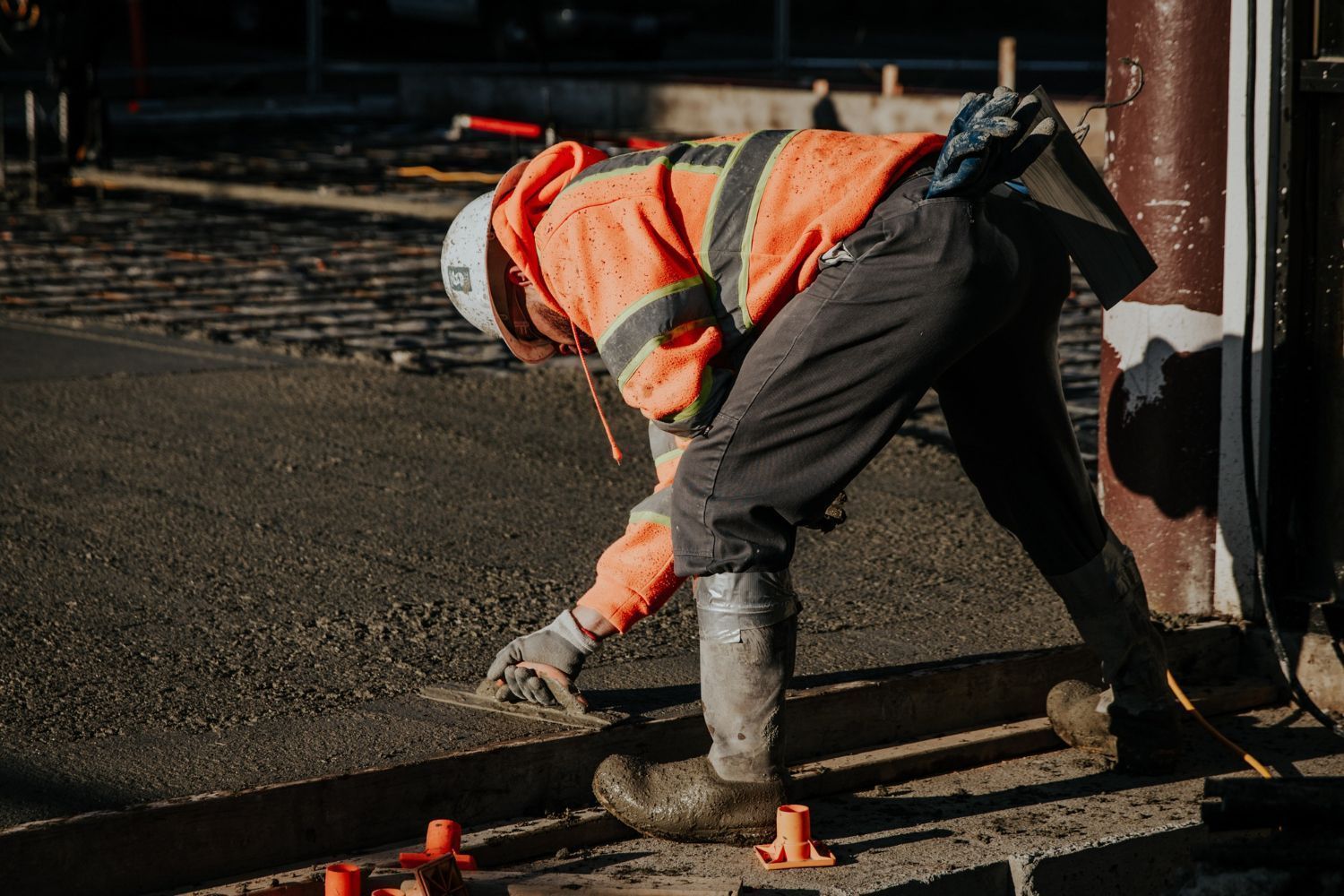
Hiring professional asphalt paving services, like Harris Asphalt Paving, LLC, ensures that your pavement is installed correctly and will last for years. Professional contractors bring expertise in selecting the right materials, preparing the subgrade, and achieving the proper thickness and compaction.
Expert paving services also provide guidance on curing times, post-paving care, and maintenance tips. By investing in professional asphalt paving, you not only get a smooth and durable surface but also reduce the risk of premature damage that can result from DIY projects or inexperienced contractors.
With the right approach, your asphalt driveway, parking lot, or road can provide a reliable, long-lasting surface that withstands weather, traffic, and daily use.
Hire the Asphalt Professionals at Harris Asphalt Paving, LLC
If you are planning an asphalt paving project in Castle Rock, CO, Harris Asphalt Paving, LLC is your trusted partner. Our team specializes in high-quality asphalt paving and sealcoating services for residential, commercial, and municipal projects. We prioritize proper installation, long-lasting durability, and guidance on post-paving care.
Call us today at
(303) 946-7604 to schedule a consultation or request a free estimate. Let us help you achieve a smooth, durable asphalt surface that stands the test of time.
Frequently Asked Questions (FAQs)
How soon can I walk on new asphalt?
You can typically walk on newly paved asphalt within 24 hours, depending on weather conditions and thickness.
Can heavy vehicles drive on asphalt immediately?
No. Heavy vehicles should wait at least a week or longer, depending on the pavement thickness and curing conditions.
How long does asphalt take to fully cure?
Asphalt continues to cure for up to a year, reaching maximum strength and durability during this time.
Does temperature affect asphalt curing?
Yes. Warmer temperatures accelerate curing, while colder weather slows the process. Rain or high humidity can also delay curing.
How can I maintain new asphalt?
Maintain proper drainage, avoid heavy loads during the first weeks, and inspect for cracks or damage regularly. Regular sealcoating also helps extend its life.