
New Asphalt Paving Services: What to Expect from Start to Finish
When it comes to creating smooth, durable, and visually appealing surfaces for driveways, parking lots, or roads, asphalt paving remains the top choice for both residential and commercial property owners. Its cost-effectiveness, longevity, and clean appearance make it a preferred material for those who want lasting results. If you’re considering investing in new asphalt paving services, understanding the process from start to finish can help you feel more confident in your decision.
At Harris Asphalt Paving, LLC, located in Castle Rock, CO, we believe in transparency and quality workmanship. In this guide, we’ll walk you through what to expect during an asphalt paving project, from initial consultation to the final seal.
Nature's Symphony
1. Initial Consultation and Site Evaluation
Every successful asphalt paving project begins with a thorough consultation and site inspection. The first step involves discussing your goals, budget, and timeline. Whether you need a new driveway, a commercial parking lot, or private roadwork, your paving contractor will assess the condition of your property and determine what type of asphalt mix and thickness best suits your needs.
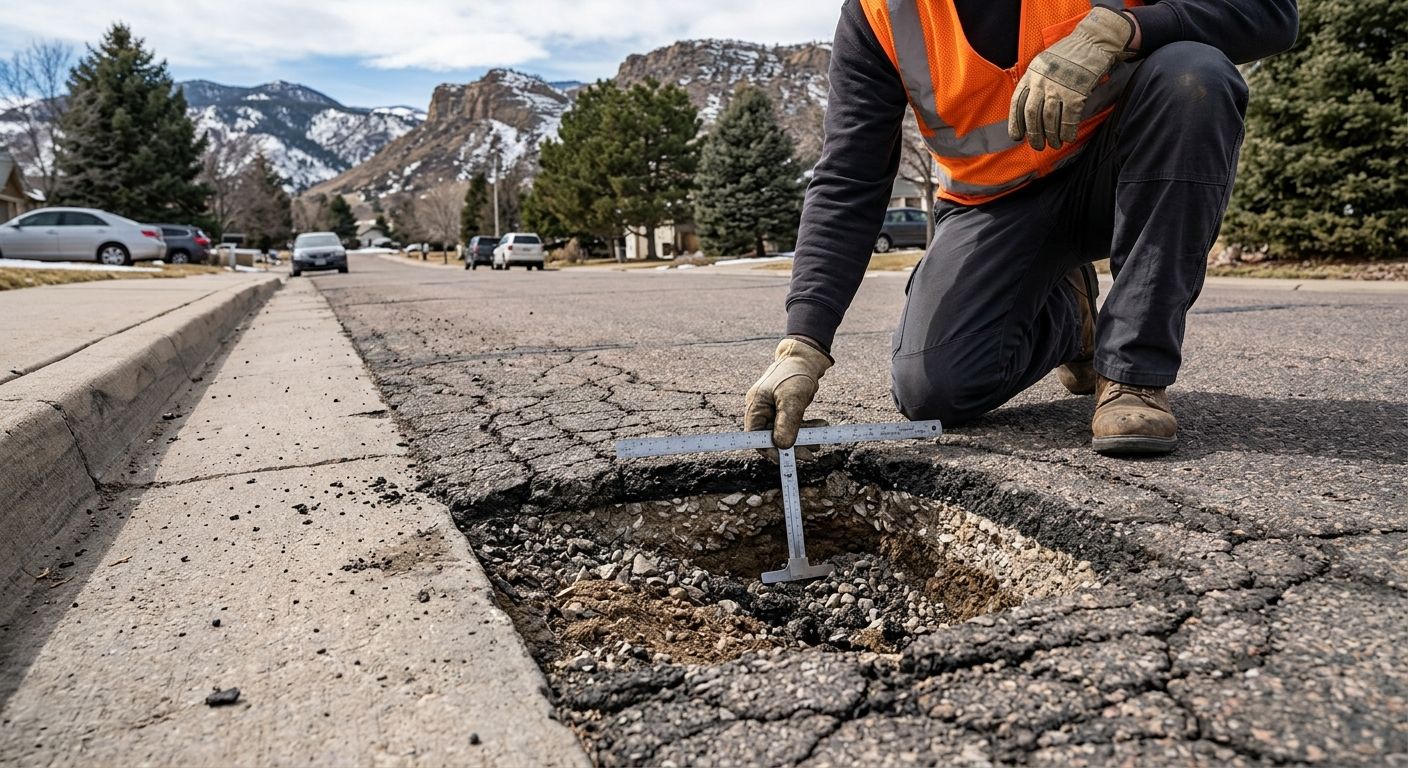
During this stage, the contractor will evaluate drainage systems, slope, and soil stability. Proper drainage is critical — without it, water can pool on the surface and cause cracks or potholes over time. A professional evaluation ensures that your pavement will not only look good but also perform well under various weather conditions common in Castle Rock, CO.
Once all measurements and site conditions are recorded, you’ll receive a detailed estimate outlining materials, labor, and the project timeline.
2. Site Preparation and Excavation
After the planning stage, the site preparation begins. This is one of the most crucial steps in
asphalt paving services because it sets the foundation for the pavement’s durability and performance.
Contractors will first remove any existing materials, such as old pavement, gravel, or debris. This excavation ensures that the surface beneath the asphalt is stable and ready for construction. If the subgrade (the soil layer underneath) is weak or uneven, it will be compacted or replaced with a stronger base material such as crushed stone or gravel.
Compaction is key here. A properly compacted base layer prevents shifting, settling, or cracking later on. Professional paving teams use heavy rollers and specialized machinery to ensure a firm foundation before laying the asphalt.
3. Grading and Base Installation
Once the site is cleared and stable, the next step is grading. Grading involves shaping and leveling the surface to create a smooth, even slope that promotes proper drainage. A well-graded base prevents water from seeping into the asphalt and damaging the structure over time.
After grading, a layer of aggregate base material is added. This base layer is usually made of crushed rock or gravel, compacted in several stages to achieve the ideal thickness and firmness. The stronger and more evenly compacted the base, the longer your asphalt surface will last.
In Castle Rock’s climate, where temperature fluctuations and freeze-thaw cycles are common, this step is especially important. A sturdy base helps the pavement expand and contract naturally without causing cracks or structural damage.
4. Asphalt Installation and Compaction
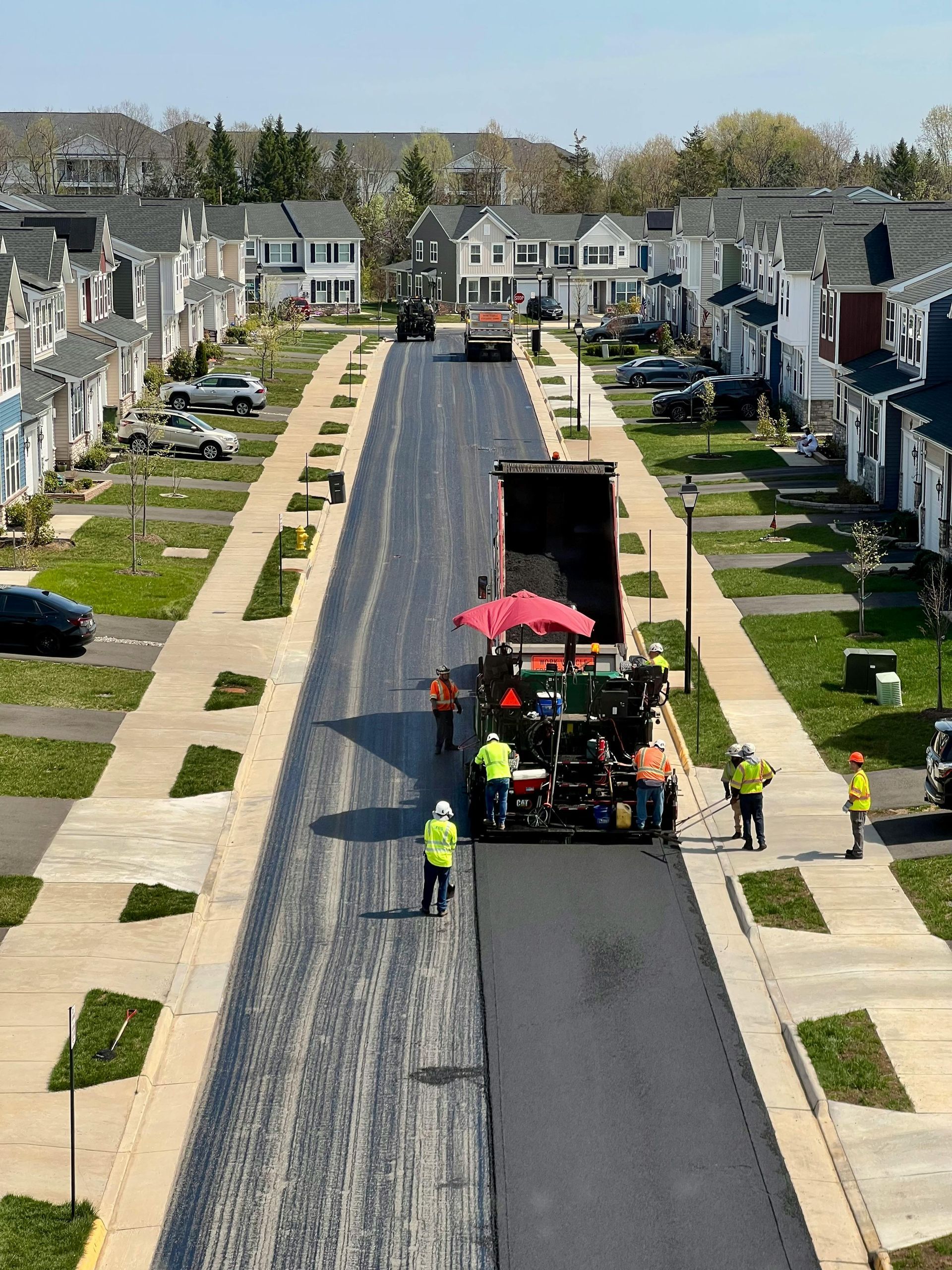
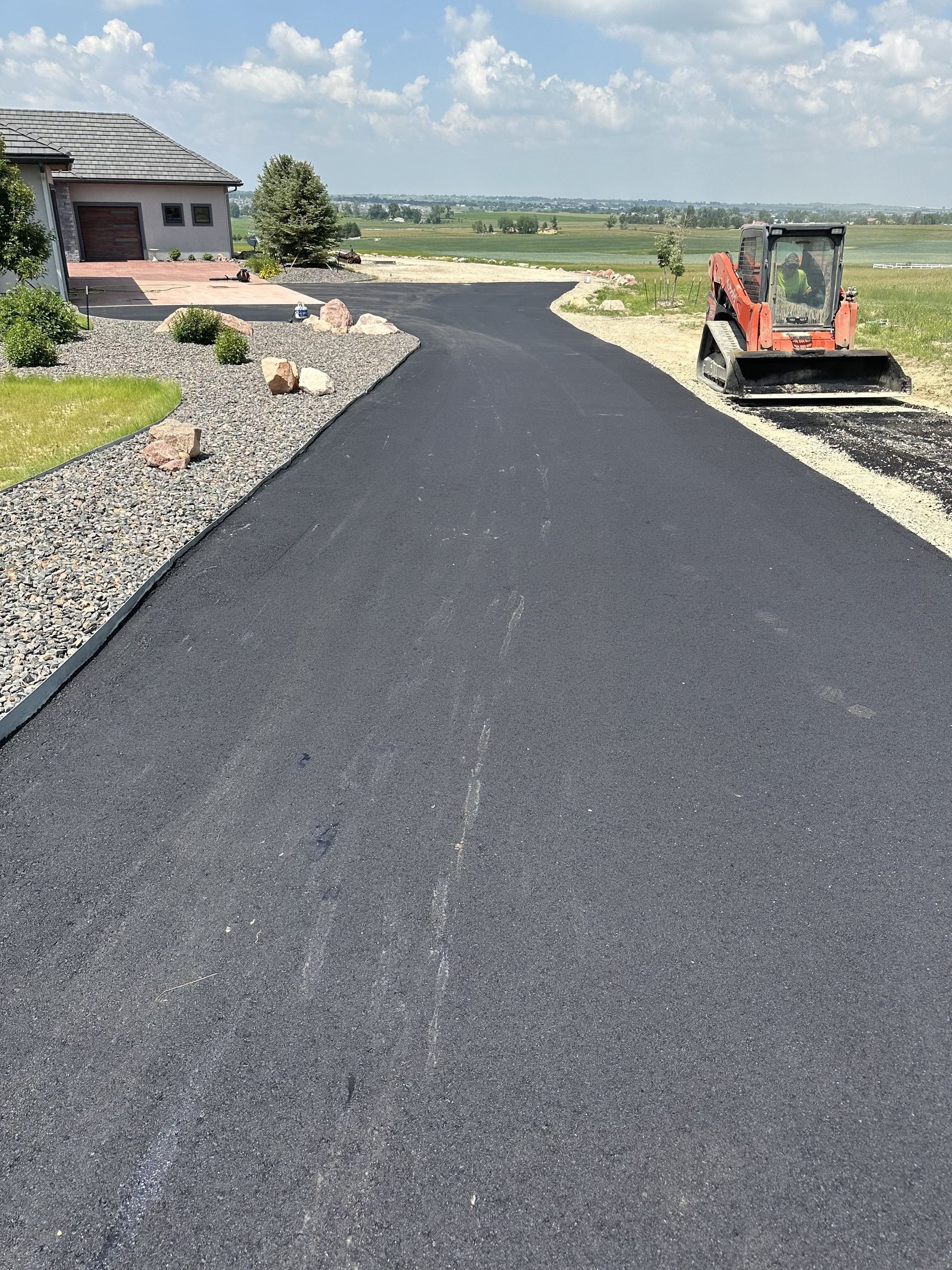
Now comes the part most property owners look forward to — the actual installation of the asphalt. The asphalt paving mixture is prepared at high temperatures and delivered to the site in specialized trucks to keep it hot and workable.
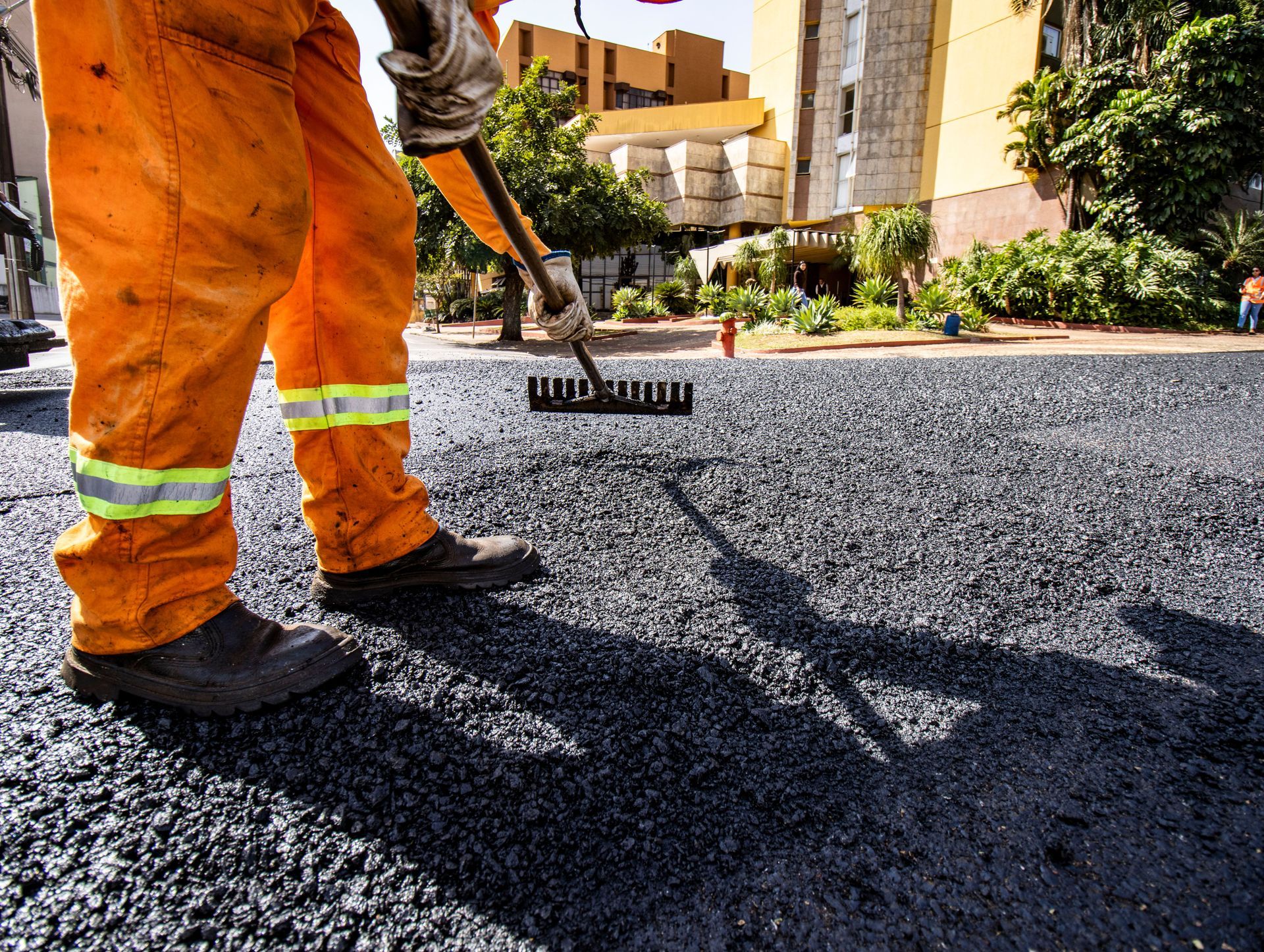
The hot asphalt mix is evenly spread across the prepared base using a paving machine. The thickness of the asphalt layer depends on the type of surface being paved — for example, residential driveways may require less thickness than commercial parking lots that handle heavier traffic loads.
After spreading, the asphalt is compacted using heavy rollers to eliminate air pockets and achieve a smooth, dense surface. Proper compaction ensures a longer-lasting pavement that resists wear, cracking, and rutting.
Timing is everything during this step. The asphalt must be laid and compacted before it cools to maintain consistency and strength. Skilled professionals monitor the temperature and adjust the process to ensure quality results.
5. Finishing Touches and Curing Process
Once the asphalt has been compacted, the surface is smoothed and inspected for uniformity. Any edges or transitions (such as where your driveway meets the street or sidewalks) are carefully shaped to create a seamless finish.
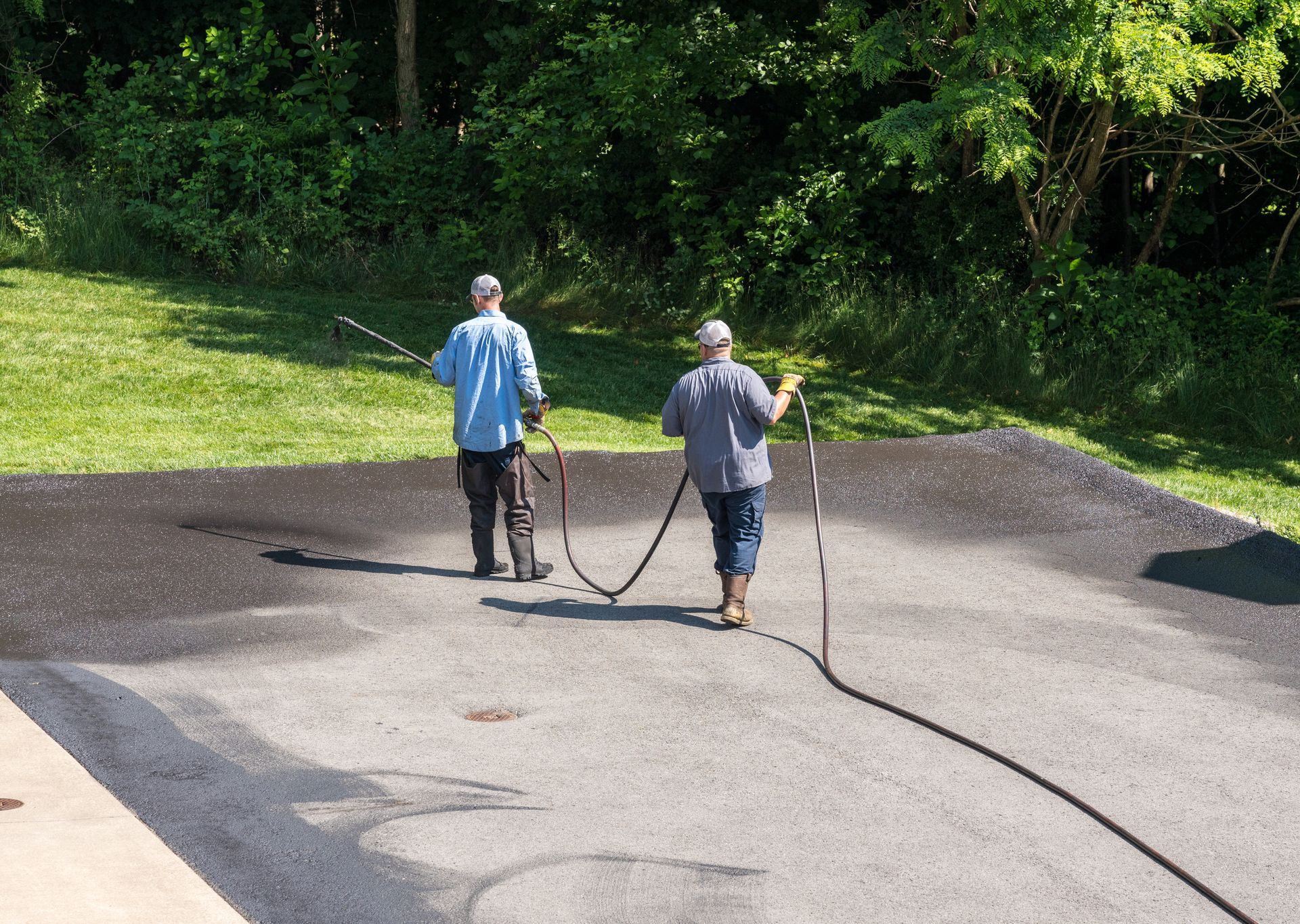
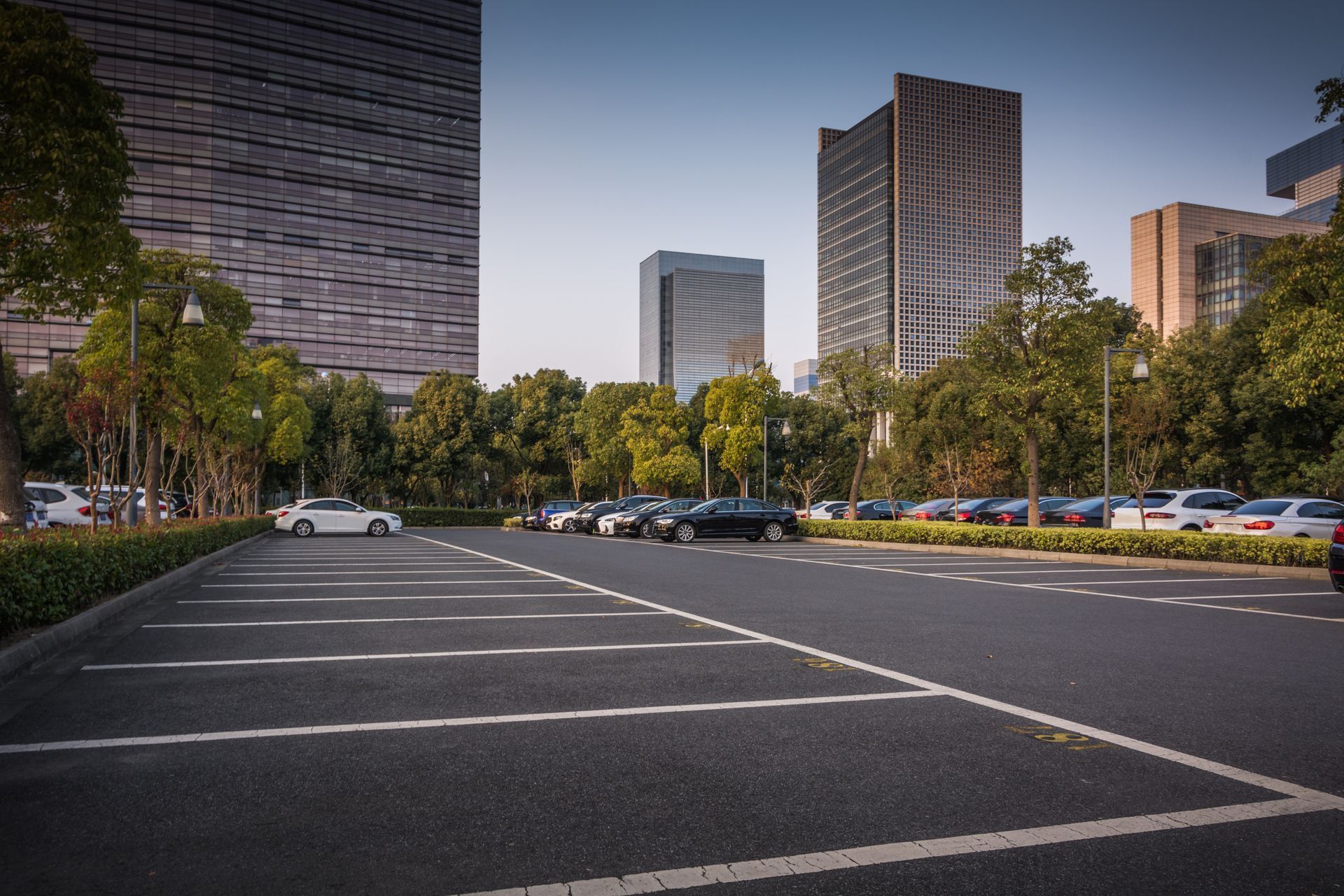
Depending on the project, line striping, signage, and protective sealcoating may be applied after the asphalt has cured. Sealcoating acts as a barrier against water, oil, and UV damage, significantly extending the lifespan of your pavement.
Curing typically takes 24 to 48 hours before the surface can handle light traffic, but full curing and hardening may take up to several weeks. During this time, it’s best to avoid parking heavy vehicles or making sharp turns on the new surface.
Once complete, you’ll have a smooth, durable, and attractive pavement that enhances your property’s curb appeal and functionality.
The Benefits of Professional Asphalt Paving Services
Choosing professional
asphalt paving services like those provided by
Harris Asphalt Paving, LLC ensures that your project is handled with precision, efficiency, and care. Professional contractors bring the right equipment, experience, and materials to deliver results that last.
Some of the top benefits of hiring experts include:
- Long-Lasting Results: Proper installation ensures your pavement can withstand years of heavy use and weather exposure.
- Improved Safety: Smooth, even surfaces reduce the risk of tripping or vehicle damage.
- Increased Property Value: A well-maintained asphalt surface enhances your property’s overall appearance.
- Cost Efficiency: Professional paving reduces the need for frequent repairs or resurfacing.
Why Choose Harris Asphalt Paving, LLC in Castle Rock, CO
At
Harris Asphalt Paving, LLC, we pride ourselves on delivering quality workmanship, superior materials, and exceptional customer service. Our team has years of experience in
asphalt paving for residential, commercial, and municipal projects throughout Castle Rock and the surrounding areas.
We handle every stage of your project with care — from precise site grading to expert compaction and finishing. Whether you’re building a new driveway or repaving an old lot, you can trust us to deliver a surface that stands the test of time.
Contact Harris Asphalt Paving, LLC About Asphalt Paving Services
If you’re ready to start your next asphalt paving project, trust the experts at
Harris Asphalt Paving, LLC in Castle Rock, CO. We’re committed to delivering high-quality paving solutions that enhance the beauty and functionality of your property.
Call us today at
(303) 946-7604 to schedule a consultation or request a free estimate. Let us show you why we’re the trusted choice for
asphalt paving and
sealcoating services for
residential and commercial properties in Castle Rock and beyond.
Frequently Asked Questions (FAQs)
How long does new asphalt paving last?
With proper installation and maintenance, new asphalt paving can last 15–25 years. Regular sealcoating and prompt repairs can extend its lifespan significantly.
When can I drive on my new asphalt pavement?
Light vehicles can typically use the surface after 24–48 hours, but full curing takes several weeks. Avoid parking heavy vehicles or making sharp turns during the curing period.
How often should asphalt be sealcoated?
Sealcoating is recommended every 2–3 years to protect against UV rays, moisture, and oil spills. It helps maintain the pavement’s appearance and structural integrity.
What factors affect the cost of asphalt paving?
Project size, asphalt thickness, site conditions, and accessibility all influence the final cost. A detailed on-site evaluation will provide the most accurate estimate.
Can asphalt paving be done year-round?
Asphalt paving is best performed during warmer months when temperatures allow for proper compaction and curing. Spring through early fall is ideal in Castle Rock, CO.