
Asphalt Sealcoating Castle Rock: Protect Your Pavement Now
Sealcoating is the single most cost-effective way to extend the life of your asphalt pavement. For Castle Rock property owners, skipping it is not a minor oversight. It is an expensive gamble against one of the most punishing climates on the Front Range.
Harris Asphalt Paving works with residential and commercial clients across Castle Rock every season, and the pattern is consistent. Properties that skip routine sealcoating deteriorate dramatically faster than those that stay on a regular maintenance schedule. Here is why that matters so much in this specific region, and what you can do about it right now.
Nature's Symphony
What Castle Rock's Climate Does to Unprotected Asphalt
Castle Rock sits at a high elevation with intense sun exposure and a semi-arid climate. That combination is brutal on pavement. Unprotected asphalt oxidizes quickly under the high-altitude UV rays, losing its deep black color and turning a faded, brittle gray. Once that oxidation sets in, the surface loses flexibility.
Then come the temperature swings. The Front Range routinely experiences temperature fluctuations exceeding 40 degrees Fahrenheit within a single day. Asphalt expands in the heat and contracts in the cold. Without a protective sealcoat, that constant movement accelerates surface cracking.
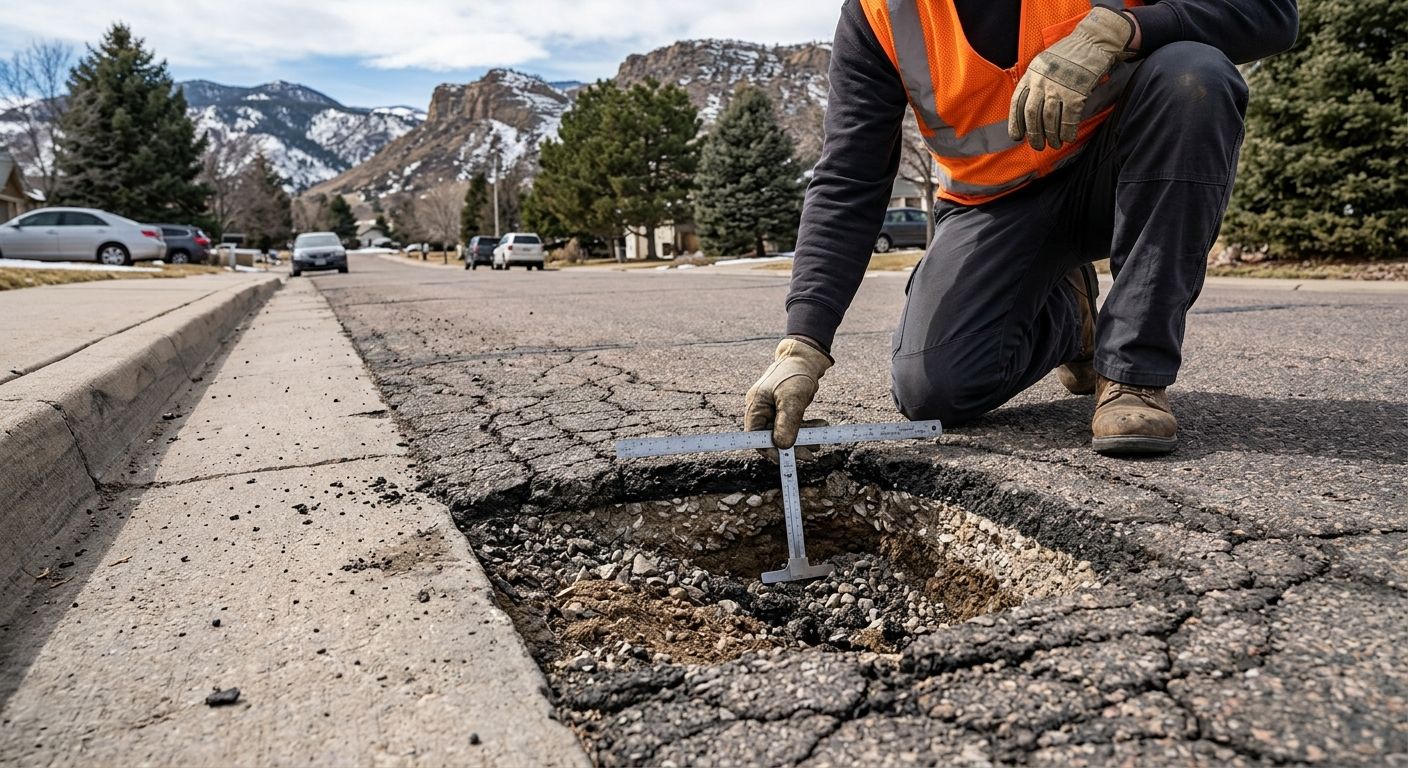
Winter and spring add another layer of damage. Snowmelt seeps into hairline cracks, then refreezes overnight. Water expands by roughly 9 percent when it freezes, forcing cracks to widen. Left unaddressed, this freeze-thaw cycle turns minor surface cracks into deep alligator cracking and eventually potholes.
How Sealcoating Stops the Damage Cycle
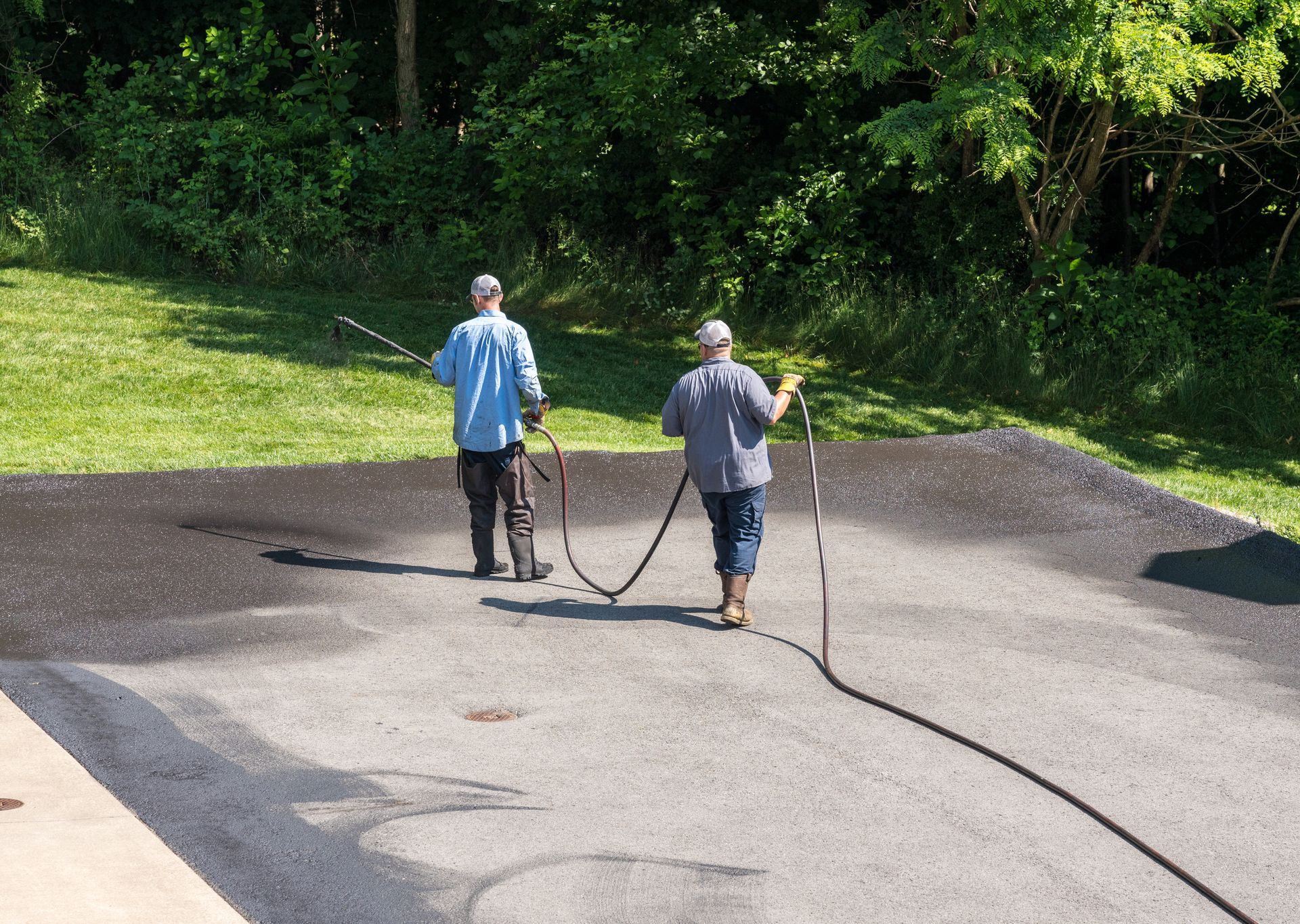
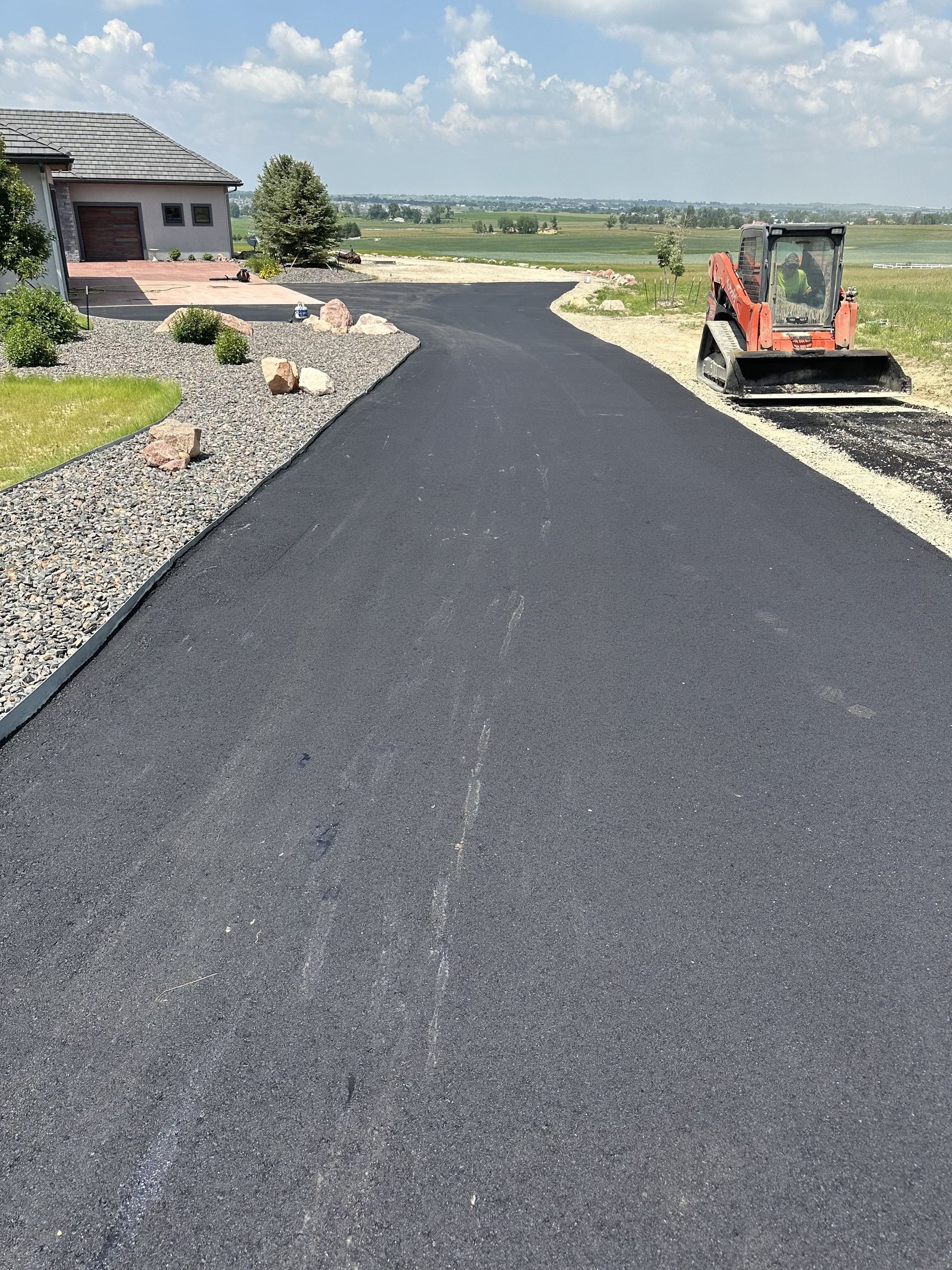
A properly applied sealcoat acts as a physical barrier between your asphalt and the elements.
It does several things at once:
- Blocks UV rays that cause oxidation and surface brittleness
- Repels water before it can penetrate cracks and reach the subgrade
- Restores surface flexibility so the pavement can handle temperature-driven movement
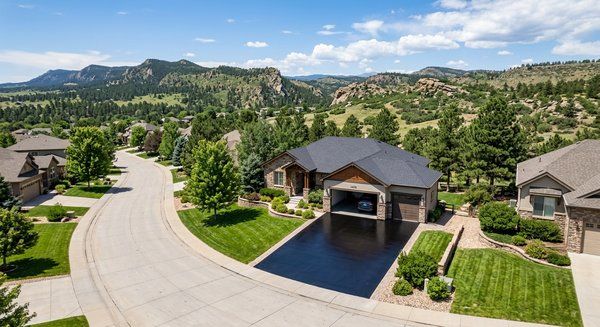
- Refreshes appearance with a uniform, clean finish that boosts curb appeal
The protective layer is not permanent, but it is highly effective when reapplied on a consistent schedule. For Castle Rock properties, applying sealcoat every two to three years is the recommended interval given the region's UV intensity and freeze-thaw exposure.
The Cost Case for Sealcoating Your Driveway or Parking Lot
In 2026, the "asset preservation" mindset has taken hold across Colorado's property management and homeowner communities. Material and construction costs remain elevated, so the math on proactive maintenance has never been clearer.
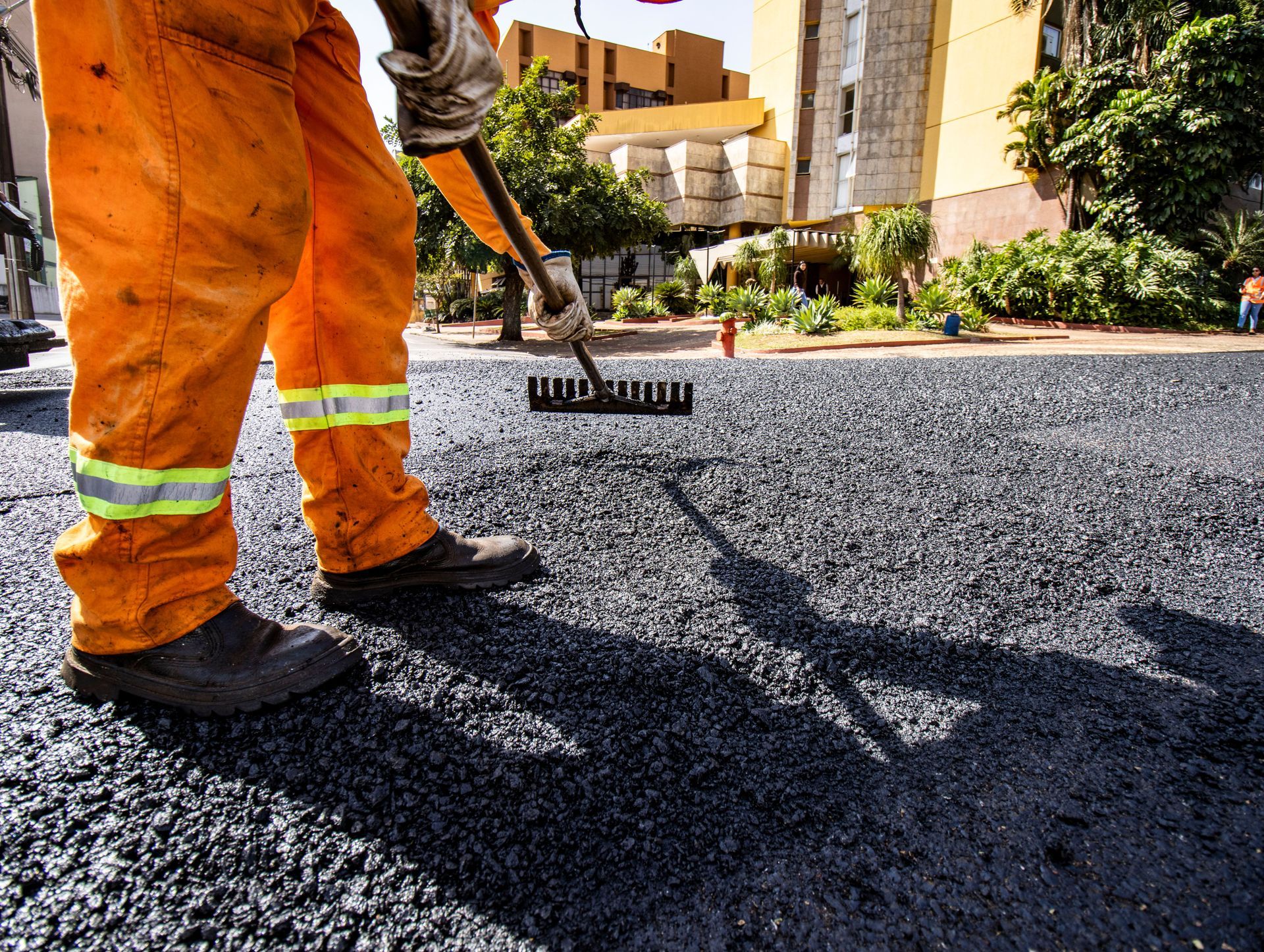
Catching a surface crack early and sealing it costs a fraction of what a full mill-and-overlay or complete asphalt replacement would cost. Sealcoating sits at the very front of that preventive maintenance ladder. It is the step that buys time, protects your investment, and delays the need for more expensive interventions.
Waiting until damage becomes visible to the naked eye is waiting too long. By the time alligator cracking or base failure appears, sealcoat alone cannot fix it. That is when patching, resurfacing, or full replacement enters the picture, all significantly more expensive options.
Asphalt Sealcoating Castle Rock: Timing Matters
Application timing is critical in Colorado. Sealcoat must be applied when ambient temperatures are reliably above 50 degrees Fahrenheit to cure and bond correctly. That narrows the window. Late spring through early fall is the ideal season for Castle Rock property owners to schedule their asphalt sealcoating services.
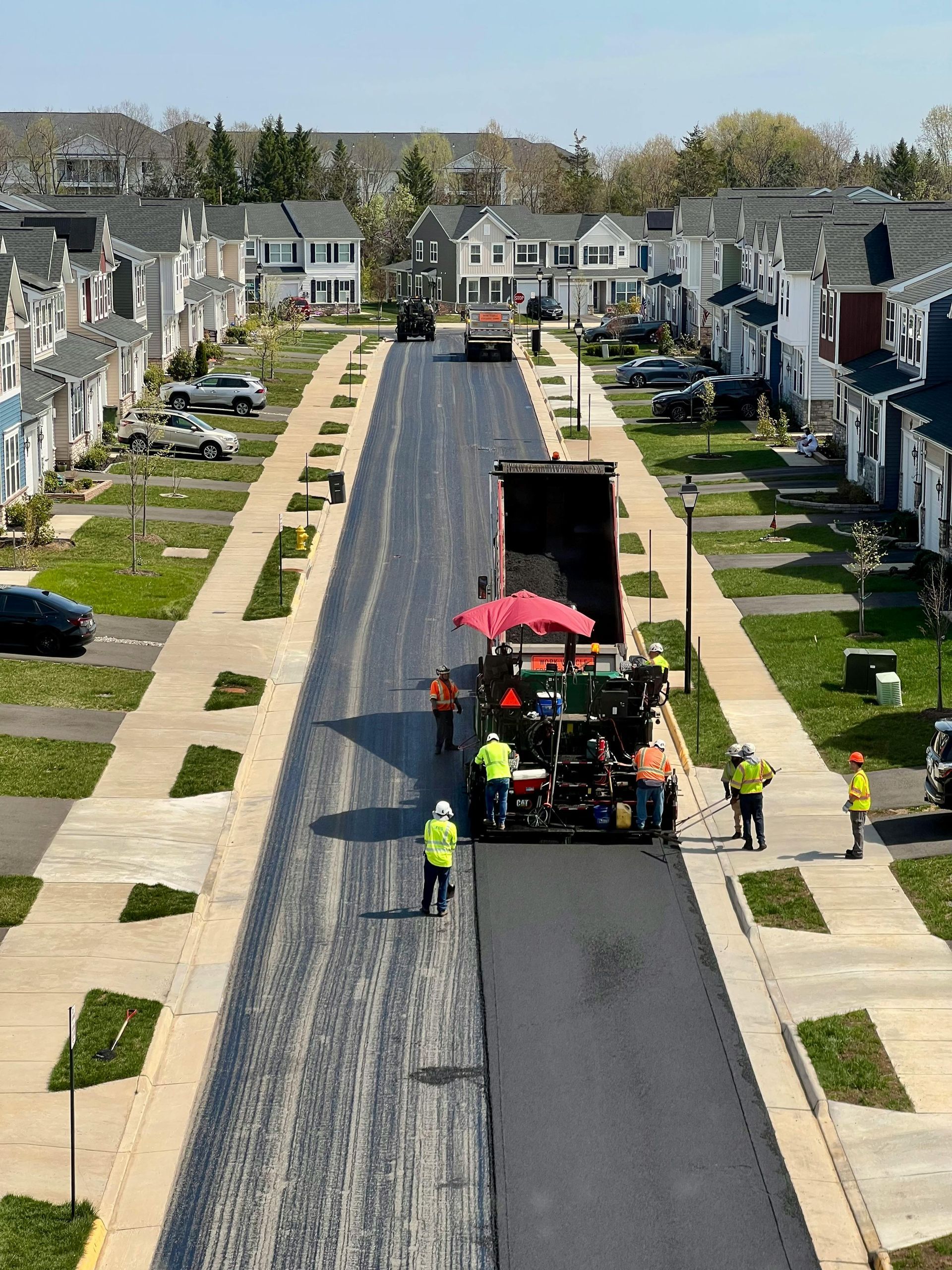
Scheduling early in that window is smart. Summer appointment slots fill quickly, especially as more property owners align their private pavement maintenance with the town's own municipal upgrades. Castle Rock's Pavement Maintenance Program is actively revitalizing public streets in neighborhoods like Diamond Ridge, Sapphire Pointe, and the Terrain in 2026. When public roads look pristine, the contrast with an unsealed private driveway becomes very apparent.
Signs Your Asphalt Needs Sealcoating Now
Not sure if your pavement is overdue?
Look for these indicators:
- Faded, gray color instead of a rich, dark black surface
- Hairline surface cracks appearing across the pavement face
- Rough or raveling texture where aggregate is starting to loosen
- Three or more years since the last sealcoat application
- Visible water pooling that lingers after rain or snowmelt
Any one of these is a signal. More than one means the clock is running on more serious deterioration.
Professional Application vs. DIY
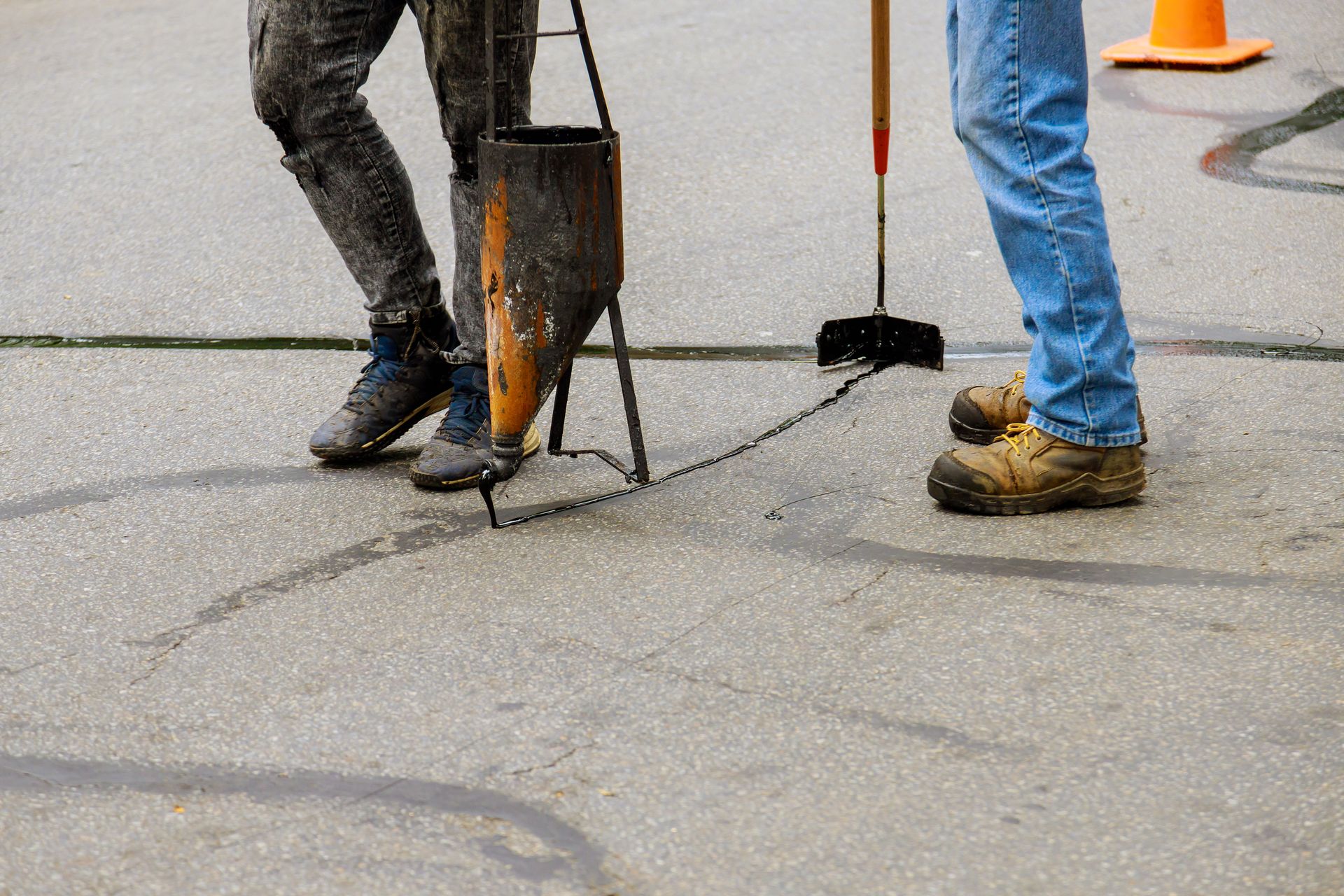
Store-bought sealcoat products exist, but they are not equivalent to professional-grade materials or application methods. Professional contractors use commercial sealers with higher solid content, apply them in precise, controlled coats, and prepare the surface correctly beforehand. Surface prep, including cleaning, crack filling, and edge work, directly determines how long the sealcoat performs.
In Castle Rock's climate, cutting corners on application quality means the sealcoat fails prematurely. That defeats the entire purpose of the investment.
Frequently Asked Questions (FAQs)
How often should I sealcoat my asphalt driveway in Castle Rock?
Every two to three years is the standard recommendation for the Castle Rock area. The high-altitude UV exposure and frequent freeze-thaw cycles accelerate asphalt oxidation, making that shorter interval appropriate compared to lower-elevation or milder climates.
Can sealcoating fix existing cracks in my driveway?
Sealcoating is a protective surface treatment, not a crack repair product. Existing cracks should be filled with a rubberized hot-pour filler before sealcoat is applied. Sealing over unfilled cracks traps moisture and reduces the sealcoat's effectiveness.
What is the best time of year to sealcoat in Castle Rock?
Late spring through early fall, when temperatures are consistently above 50 degrees Fahrenheit. Applying sealcoat in cooler conditions prevents proper curing and bonding, leading to premature failure.
Does sealcoating add value to my property?
Yes. Well-maintained pavement improves curb appeal and signals to buyers that the property has been cared for. As Castle Rock's public streets are upgraded through the town's 2026 Pavement Maintenance Program, private driveways and lots that match that standard stand out positively.
How long does a sealcoat application take to dry?
Typical drying time is 24 to 48 hours, depending on temperature, humidity, and sun exposure. Your contractor will advise on exact timing based on conditions at the time of application.
Ready to protect your driveway or parking lot before summer heat and next winter's freeze-thaw cycles do more damage? Contact Harris Asphalt Paving to schedule a professional sealcoating assessment in Castle Rock today.
Explore our residential and commercial asphalt paving and maintenance services and let's build a preservation plan that keeps your pavement performing for years to come.